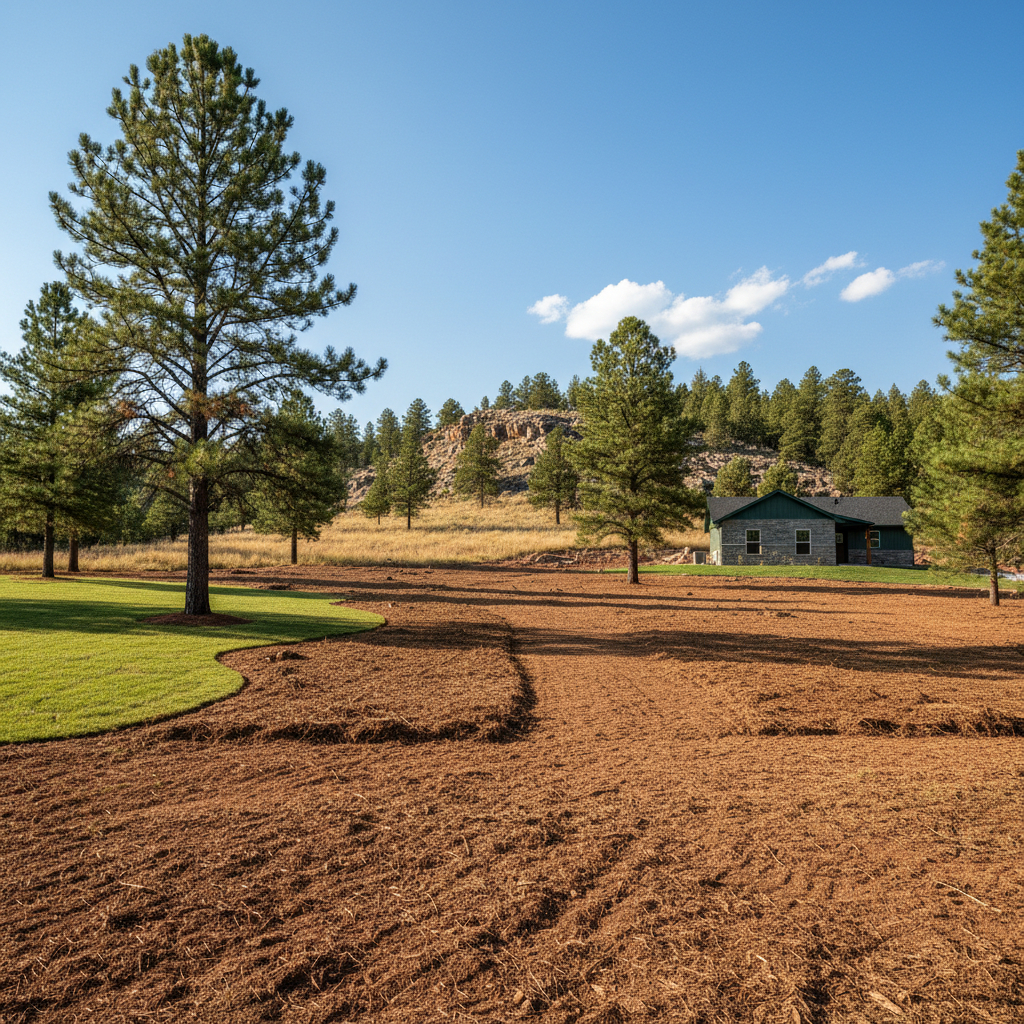
You've got some land in Hot Springs, maybe it's gotten a bit wild, or you're planning to build, or you just want to get back some usable space. Lot clearing sounds pretty straightforward on the surface, doesn't it? Just get rid of the trees and brush. But let me tell you, as someone who's been doing this for years with New Look Tree, I see homeowners make some common mistakes. These can really cost you — in time, money, and a whole lot of headaches.
Mistake #1: Not Knowing Your Local Regulations
This is a big one, and it's where a lot of folks stumble right out of the gate. You can't just go in and clear everything however you want, especially if you're near a waterway or have certain types of trees on your property. Here in Hot Springs, we've got our own city rules, plus county and state regulations too. For example, if your property borders the Fall River or any of its smaller streams, you might have to deal with riparian buffer zone rules. That means there are limits on what you can remove close to the water's edge. You'll definitely want to check with the city's planning department or the county's zoning office before you even think about starting up a chainsaw. Ignoring this can lead to fines, stop-work orders, and even having to replant things you just took out. It's a real pain, and completely avoidable, wouldn't you agree?
Mistake #2: Underestimating the Scope (and the Cost)
I get it, you look at a patch of woods and think, 'Yeah, I can get a few guys out there with chainsaws.' But lot clearing isn't just cutting down trees. It involves brush removal, stump grinding or removal, grading, and often, dealing with a massive amount of debris. We've got plenty of tough Ponderosa pines and cedars around here, and their root systems can be huge, especially in our rocky, clay-heavy soils. What seems like a small job can quickly turn into a huge undertaking once you actually get into it. You'll need to think about equipment rental, labor, and disposal. Landfills charge by weight, and a cleared lot generates tons of material. Get a detailed quote that breaks down each part of the process, not just a flat 'clearing' price. If a contractor gives you a super low estimate without even walking the property thoroughly, that's a huge red flag.
Mistake #3: Hiring the Wrong Crew (or Trying to DIY Too Much)
This one really goes hand-in-hand with underestimating the scope. I've seen homeowners try to tackle big clearing jobs themselves, only to get overwhelmed, hurt, or realize they simply don't have the right equipment. It's dangerous work, plain and simple. Then there are the 'chuck-in-a-truck' guys who offer a cheap price but aren't insured, don't have proper equipment, or just lack the experience. If someone shows up without proof of liability insurance and workers' compensation (if they have employees), send them packing. You don't want to be responsible if they get hurt on your property or damage something. A reputable company like New Look Tree carries all the necessary insurance, and we're happy to show you proof. Ask for references, too. A good contractor will have plenty of satisfied customers.
Mistake #4: Not Thinking About the 'After'
So, you've cleared your lot. Great! Now what? A common mistake is not having a plan for what happens next. Is it going to be a building site? A pasture? A new lawn? The way you clear the land really should match its future use. For example, if you're building, you'll need a much more thorough clearing and often some grading. If it's just for looks, you might leave some strategic trees or natural elements. Also, consider erosion control. Once you remove vegetation, especially on our hillsides, your soil is exposed. Heavy rains, which are pretty common in spring and early summer, can wash away topsoil if you don't have a plan to stabilize things. Talk to your contractor about post-clearing options like hydroseeding or temporary erosion barriers. Don't just leave it bare and hope for the best.
Mistake #5: Ignoring the Environmental Impact
While you might be focused on your immediate needs, a good lot clearing plan also considers the bigger environmental picture. Taking out too many trees can affect local wildlife habitats, change drainage patterns, and even alter your property's microclimate. Think about what you truly need to remove versus what you *could* remove. Sometimes, selective clearing can achieve your goals without completely devastating the natural landscape. A responsible contractor will talk about these things with you and help you make smart decisions that benefit both your property and the local environment. It's about smart land management, not just brute force.
Clearing a lot is a big project, and doing it right means doing your homework. Don't rush into it, ask a lot of questions, and always put safety and compliance first. It'll save you a lot of grief in the long run.