Got a tree in your yard that needs to go? Maybe it's too close to the house, sick, or just plain in the way. Whatever the reason, planning a tree removal isn't something you just jump into. You've got to think it through. I've been doing this for a while here in Hot Springs, and I've seen folks make some really avoidable mistakes. Let's talk about how to get it done right.
Setting Your Tree Removal Timeline
First off, don't wait until the last minute. If you're looking at a tree leaning dangerously after a big snowstorm, that's an emergency, and it's a different ballgame entirely. But for planned removals, give yourself some breathing room. I'd say start thinking about it at least a few weeks, maybe even a month or two, before you want the work done.
Permits: This is a big one. Depending on where you live in Hot Springs – especially if you're in a more historic area or if the tree is really big and close to public property – you might need a permit from the city. Don't assume you don't. Check with the city office first. It can take a week or two to get those approved, so factor that into your timeline.
Contractor Availability: Good tree removal companies stay busy, particularly during peak seasons like spring and fall, or right after a big storm. You can't just call us up today and expect us to be there tomorrow. We've got schedules, other jobs, and sometimes, the weather just doesn't cooperate. The more flexible you can be, the better, but generally, expect to book a few weeks out.
Your Schedule: You'll likely want to be home, or at least around, on the day of the removal. It's good to be there for any last-minute questions or just to see the process. Make sure the timing works for you too.
What to Expect During the Process
So, you've picked a date. What happens on removal day? It's not just a guy with a chainsaw, believe me. It's a coordinated effort, especially with larger trees.
Arrival and Setup: The crew will show up with all their gear – trucks, chippers, ropes, safety equipment, and a whole lot of chainsaws. They'll assess the site again, set up safety cones or tape, and plan their cuts. They'll make sure the area is clear of people, pets, and anything valuable.
The Removal Itself: This is where the magic happens. Depending on the tree's size and spot, they might climb it, use a lift, or even a crane for really big, tricky ones. They'll cut it down in sections, carefully lowering branches and trunk pieces to the ground. It's loud, dusty, and sometimes a little nerve-wracking to watch, but a good crew knows exactly what they're doing.
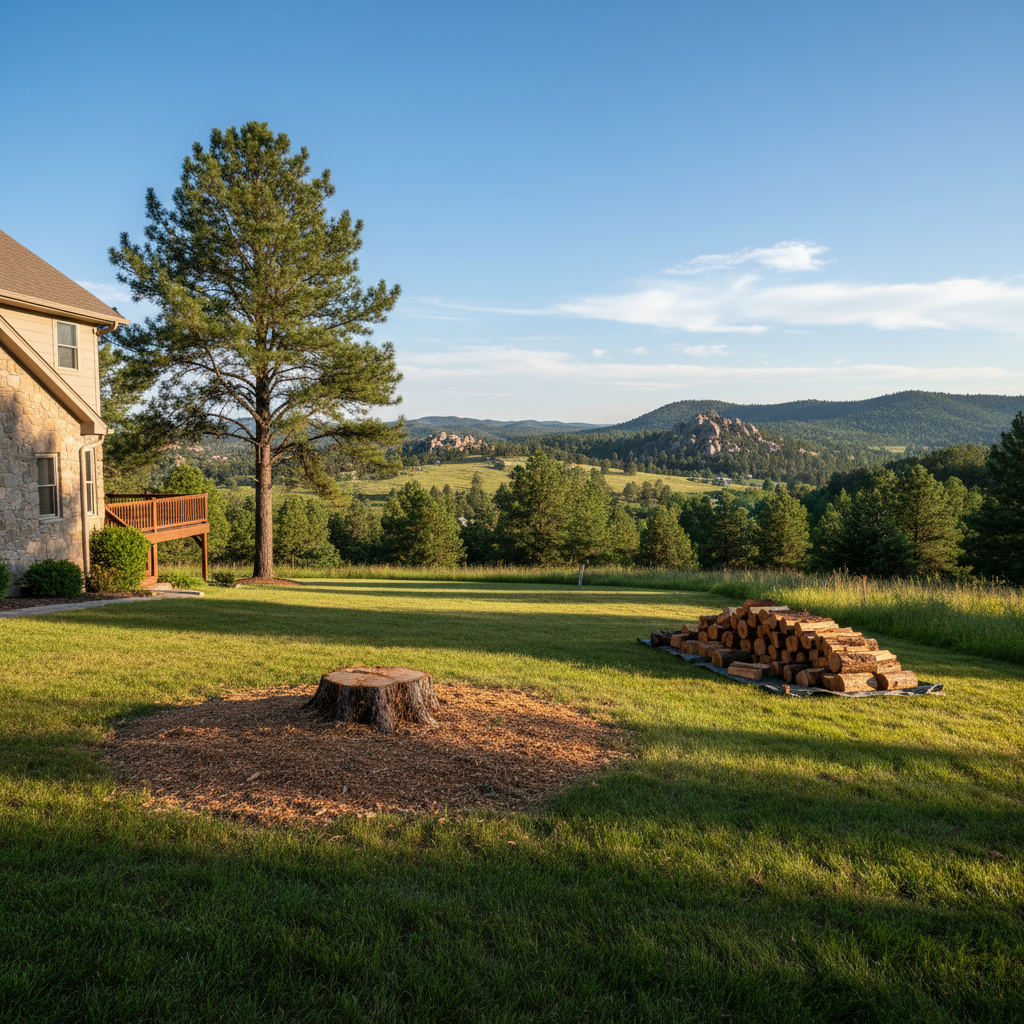
Cleanup: This is where New Look Tree really shines. We don't just leave a mess. All the branches and smaller wood go into the chipper. Larger logs typically get cut into manageable pieces. We'll rake up the area, blow off any sawdust, and make sure your yard looks as good as it can. If you opted for stump grinding, that happens next, taking the stump down below ground level.
How to Prepare Your Property
You can help make the day go smoothly. A little prep on your end goes a long way for the crew and for your peace of mind.
Clear the Area: Move anything valuable or fragile away from the tree's drop zone. This means patio furniture, grills, garden ornaments, kids' toys, bird feeders – anything that could get hit by falling debris or just get in the way of equipment. If you've got a fancy sprinkler head or a delicate flower bed right under the tree, point it out to the crew beforehand.
Access: Make sure there's a clear path for our equipment. If you've got a narrow gate or a tricky driveway, let us know when we do the estimate. We need to be able to get our trucks and chippers close to the work area.
Pets and Kids: Keep them indoors and away from the work zone. This is for their safety. Tree removal is dangerous work, and even the most careful crew can't account for a curious toddler or a dog chasing a squirrel into the danger zone.
Utilities: If you have underground sprinklers, invisible dog fences, or other buried lines near the tree, tell the crew. We try to be careful, but it's always good to know where things are. For overhead power lines, we'll coordinate with the power company if needed – that's usually our job, but it's good for you to be aware.
Questions to Ask Before You Sign a Contract
Don't just pick the first guy you call. Ask questions. Any reputable company won't mind, and they'll appreciate that you're doing your homework.
Are you licensed and insured? This is non-negotiable. If they're not, walk away. You need to know that if something goes wrong – an accident, property damage – they're covered, and you won't be on the hook. Ask for proof of insurance, specifically liability and workers' compensation.
Can you provide references? A good company will have happy customers. Ask for a few names and numbers of recent clients you can call. You can also check online reviews, of course.
What's included in the price? Get a detailed quote. Does it include stump grinding? Hauling away all the wood chips and logs? Cleanup? Some companies charge extra for these things, so make sure you know exactly what you're paying for.
How will you protect my property? We've got some pretty tough clay soil here in Hot Springs, and sometimes it gets soft after a good rain. Heavy equipment can leave ruts. Ask how they plan to minimize impact on your lawn, driveway, and landscaping. Will they use ground mats? Will they be careful around your prize-winning petunias?
What's your estimated timeline for the actual work? Once you've booked, how long do they expect the job to take on the day of removal? A few hours? A full day? This helps you plan your own schedule.
What happens if the weather is bad? We get some wild weather here in the Black Hills. If it's too windy, icy, or there's a thunderstorm, the job might need to be rescheduled. Ask about their policy for weather delays.
Taking down a tree is a big job, but with a little planning and asking the right questions, you can make sure it goes smoothly. You want it done safely, cleanly, and without any surprises. That's what we aim for every time at New Look Tree.