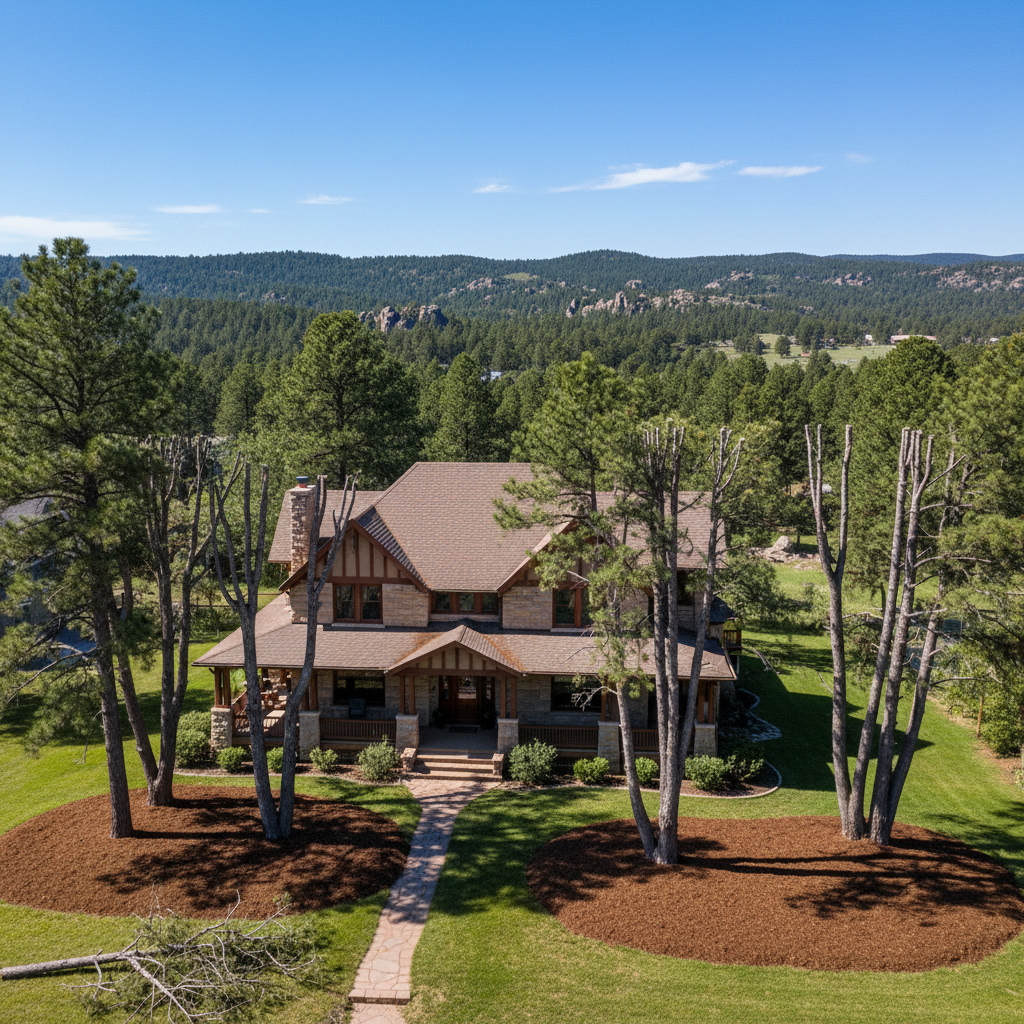
You've got trees on your property, and you want them to look good and stay strong. That's a given, isn't it? But here in Hot Springs, keeping your trees healthy isn't always as straightforward as just giving them some water now and then. We've got some unique challenges and opportunities that folks in other parts of the country simply don't deal with.
Understanding Our Local Soil and Climate
First off, let's talk dirt. A lot of us, especially if you're up on the hillsides or even down near the Fall River, know we've got some pretty varied soil. You might have pockets of rich topsoil, then hit caliche or dense clay just a foot or two down. This isn't just a nuisance for digging a fence post; it directly impacts how your tree roots grow and how well they can grab nutrients and water. If your tree's roots are struggling to penetrate hardpan, it's definitely going to show in the canopy.
Then there's our climate. We get those beautiful, warm summers, but also some seriously cold, dry winters. That freeze-thaw cycle can be brutal on trees, especially younger ones or those not perfectly suited to our zone. Winter desiccation, where trees lose moisture from their leaves or needles faster than their roots can replace it from frozen ground, is a real problem. I've seen plenty of evergreens, particularly, take a beating from it.
Common Tree Health Issues We See
So, what does all this mean for your trees? It means we see some pretty specific issues around here. Beyond the obvious storm damage, which we've all dealt with, here are a few things I regularly come across:
- Nutrient Deficiencies: With our varied soil, it's common to see trees lacking essential nutrients. Yellowing leaves, stunted growth, or early leaf drop can all be signs. Often, a soil test is the first step to figuring out what's missing.
- Pest Infestations: From bark beetles to aphids, pests can weaken a tree quickly. Catching them early is key. If you see sawdust-like frass, tiny holes in the bark, or sticky residue on leaves, it's time to investigate.
- Disease: Fungal diseases, cankers, and blights are always a threat. Sometimes all it takes is proper pruning to improve air circulation; other times, a specific treatment might be necessary.
- Water Stress: Both too much and too little water can be detrimental. Our dry spells can be tough, but overwatering, especially in clay soils that don't drain well, can lead to root rot.
- Construction Damage: I see this a lot, especially in developing areas or when folks are doing home renovations. Compacting soil around a tree's root zone, cutting roots during excavation, or even just piling materials too close can cause long-term damage that might not show up for years.
The Importance of Proactive Care
You wouldn't wait for your car to break down completely before getting an oil change, right? Tree care is similar. Regular, proactive maintenance is always better than emergency intervention. This includes proper pruning to remove dead or diseased branches, improve structure, and allow for better air and light penetration. It also means keeping an eye on your trees for any signs of distress.
For instance, if you're in the older parts of town, maybe near the historic district where you've got mature oaks or elms, those trees have seen a lot. They've likely dealt with decades of our climate and maybe even some less-than-ideal care in the past. They might need a different approach than a younger tree planted in a newer development off of Highway 18.
I've also noticed that folks sometimes try to plant trees that just aren't well-suited for our area. A tree that thrives in a humid, temperate climate might just struggle to survive our dry, cold winters and hot summers. Choosing the right tree for the right place is half the battle.
Why Local Expertise Matters
This is where local knowledge really comes into play. Someone who understands Hot Springs' specific microclimates, our common soil types, and the pests and diseases prevalent here is going to give you much better advice than a generic online guide or a company from out of state. We know what trees generally do well here, and we know the common pitfalls.
When I'm out on a job, whether it's a routine trim or an emergency removal, I'm not just looking at the branch in front of me. I'm looking at the whole tree, its environment, and how it's interacting with our local conditions. I'm thinking about the last drought, the upcoming winter, and what kind of soil it's rooted in.
At New Look Tree, we've been working with these trees for years. We've seen what works and what doesn't. We're not just cutting branches; we're helping you maintain an investment in your property and the natural beauty of our town. Don't guess when it comes to your trees. Get an expert opinion that's rooted right here in Hot Springs.