Thinking about clearing some land on your Hot Springs property? Good. It's a big job, and you've probably got a ton of questions. I get 'em all the time. Folks around here, especially with those beautiful Ponderosa pines and the rocky Black Hills soil, often wonder about the same things. So, let's look at some of the most common questions I hear about land clearing, and I'll give you the straight scoop.
Do I need a permit to clear land in Hot Springs?
This is probably the first thing you should check, and it's a critical one. The short answer is: maybe. It really depends on what you're doing and where your property is located. If you're just clearing some brush and a few small saplings on a residential lot within city limits, you might not need a specific 'land clearing' permit. But if you're planning on taking down a significant number of trees – especially mature ones – or if you're doing any kind of grading or earthmoving, you absolutely need to check with the City of Hot Springs Planning Department. They'll tell you about any rules regarding tree removal, particularly for larger projects or if your property is near a sensitive area like a waterway. Don't just assume you're good to go; a quick call can save you a lot of headaches and potential fines down the road. Trust me, I've seen folks get into trouble because they didn't make that call.
What's the difference between land clearing and tree removal?
Good question, because people often use them interchangeably, but they're not quite the same. Tree removal is usually about taking out specific trees – maybe a dead one, a diseased one, or one that's too close to your house. It focuses on individual trees. Land clearing, on the other hand, is a much bigger operation. It's about getting a piece of land ready for a new purpose. That could mean clearing out all the trees, brush, stumps, and even rocks from a large area to build a new home, put in a pasture, or create a defensible space around an existing structure. We're talking about transforming the landscape, not just removing a few problematic trees. When I'm doing a land clearing job for New Look Tree, we're looking at the whole picture, not just one tree at a time.
What's the best way to deal with stumps?
Stumps are the bane of many a land clearing project, aren't they? You've got a few main options, and the 'best' one really depends on your budget, timeline, and what you plan to do with the land afterward. You can grind them, which is where we use a machine to chew the stump down below ground level. This is great if you want to plant grass or put in a garden over the spot. Another option is to remove them entirely, which involves digging up the stump and its root ball. This is more intensive and leaves a bigger hole, but it's often necessary if you're building directly on the spot or need a completely clear area. Sometimes, if it's a remote area and not bothering anyone, you can just let them decompose naturally, but that takes years. For most homeowners, grinding is the sweet spot for effectiveness and cost.
Will clearing land affect my property's drainage or erosion?
Absolutely, it can. This is a big one, especially with the sloped terrain we often have around Hot Springs. When you clear vegetation, especially trees and their root systems, you're removing natural barriers that help hold soil in place and absorb rainwater. This can lead to more runoff, which in turn can cause erosion. If your property has any kind of slope, or if you're clearing a large area, you need to think about how water will flow afterward. Sometimes, we'll suggest leaving certain trees or creating swales or other drainage solutions to lessen these issues. It's not just about getting rid of the trees; it's about managing the land responsibly so you don't end up with a muddy mess or structural problems down the line.
How long does land clearing typically take?
That's like asking how long a piece of string is, but I get why you'd ask. The timeframe for land clearing varies wildly. It depends on several factors: the size of the area, how dense the vegetation is (is it just brush or mature trees?), the type of trees (some are harder to remove than others), the terrain (flat versus steep), and what you want done with the debris (chipped, hauled away, burned?). A small residential lot might take a day or two. A multi-acre parcel with dense forest and a lot of stumps could take weeks, even with a full crew and heavy equipment. We always try to give a realistic timeline after we've had a chance to assess the specific property. Don't expect a one-day miracle for a big job.
What happens to all the cleared material?
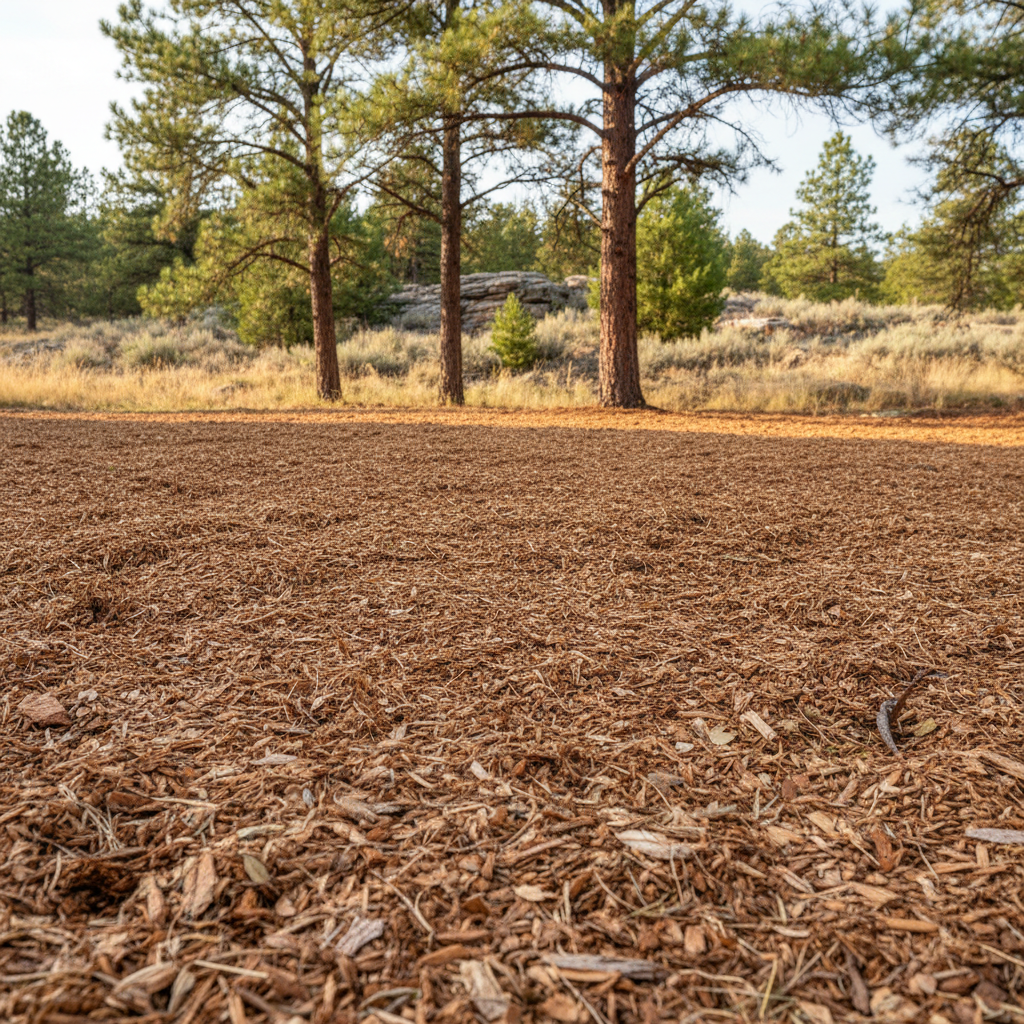
Once we've cut down trees and cleared brush, you're left with a lot of material. You've got options here too. The most common methods are chipping, hauling, or burning. Chipping turns branches and smaller trees into mulch, which you can often use on your property for landscaping or erosion control. It's a great way to recycle the material. Hauling means we load everything up and take it to a disposal site, which is usually a landfill or a specific green waste facility. Burning is another option, but it's heavily regulated. You'll need to check with local fire departments for burn bans and permit requirements, especially during dry seasons, which we get a lot of around here. We'll discuss these options with you upfront so you know what to expect and what the costs for each method will be.
Can I do some of the land clearing myself to save money?
You certainly can, for certain parts of the job. If you're talking about clearing out small brush, picking up sticks, or even cutting down very small saplings, that's often something a homeowner can tackle. It's a good way to reduce the overall cost. However, for anything involving large trees, heavy equipment, or extensive stump removal, I strongly recommend bringing in professionals. It's not just about having the right tools; it's about safety, experience, and efficiency. Cutting down a big tree incorrectly can cause serious injury or damage to your property. Plus, we know how to handle the debris and leave your land ready for its next purpose. We're happy to work with you if you want to do some of the lighter work, but don't bite off more than you can chew. Safety first, always.